Hip-Hop Lives Here

Hip-Hop Lives Here

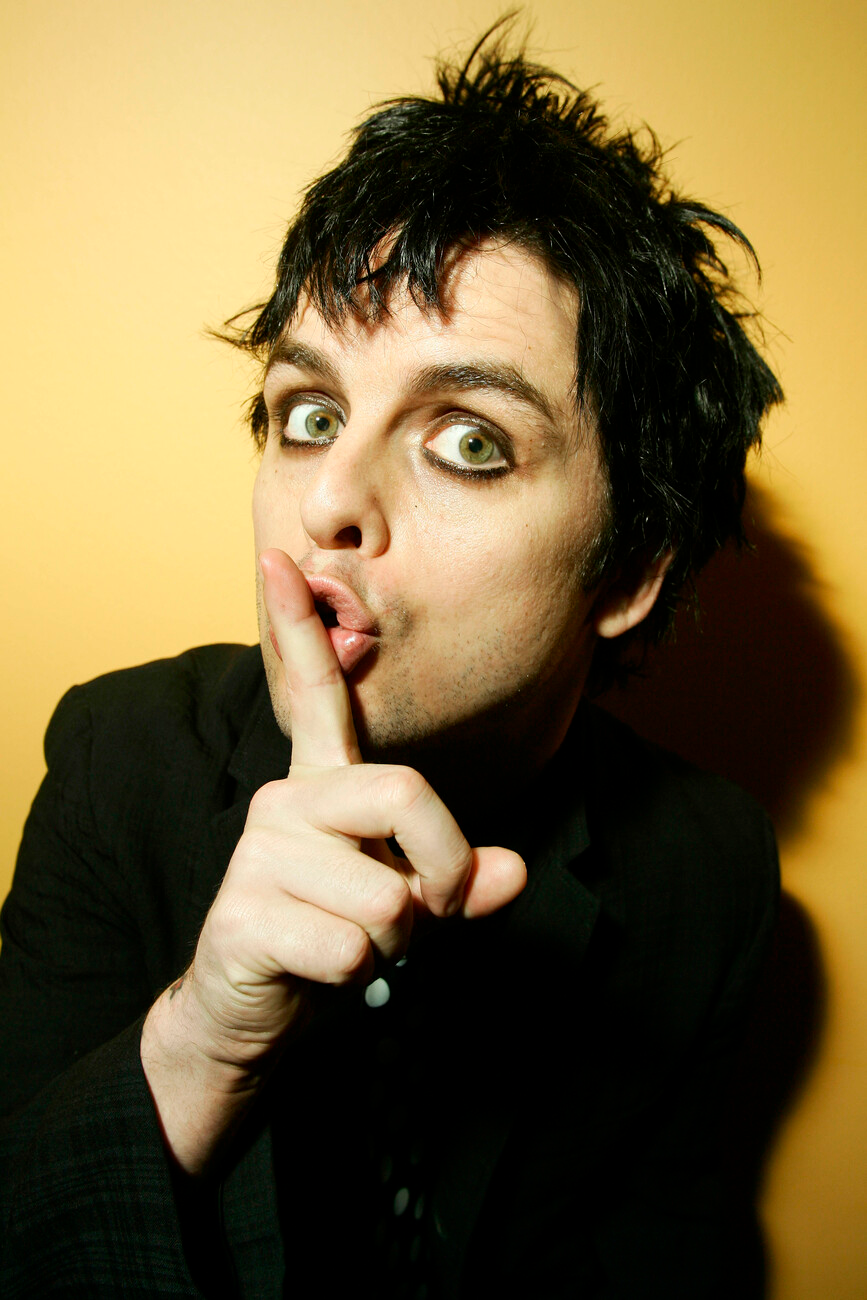
For this interview with Justin Currie, I wondered how to write it up, as we agreed the process would involve an exchange of emails. Not the normal way to interview someone but Justin felt more at ease doing this. But because that process meant a slightly different interaction, I thought I would be honest about being a fan of the singer and his former band Del Amitri.
Currie has always struck me as a mixture of life cynic, romantic poet and songwriting genius. Someone once said to me that Del Amitri were a strange band to feel passionate about. At the time it struck me as a funny thing to observe. After all, we all get passionate about wildly varying things, thank goodness. Otherwise life would be dull.
But more than that I felt a sense of frustration that the guy didn't share my 'passion'. As you get older those moments of anger when people don't like what you like dim a little. And anyway, the love of music is one of life's truly magical things. The escape it can provide, the truly personal connection you feel. And there you have it. It's personal. You can't explain easily why one song touches you more than another. And you really shouldn't have to.
Justin Currie’s music has played a huge part in my life, from my first attachment as a cynical single male in his twenties to the happily married man I am 20 years later. My wife jokes that my order of preference goes: Reading football club, Justin Currie and her. Of course she's wrong. JC is more important than football!
Anyway that is way too much about me. Now to the man in question and his kind acceptance of my questions and with some, I hope you find, fascinating, funny and engaging answers.
Del Amitri were put into extended hibernation in the early 2000s and since then Justin Currie has delivered two solo albums - not the most prolific of output, but if you are a fan of lovelorn country tinged pop, sung in Currie’s uniquely soulful voice, you'd do well to explore their differing beauty.
Next month he once again tours the UK, including a gig at London’s Union Chapel. So why not with a full band?
JC: Economics, more than anything, mean that I am rarely backed by anyone other than the gentle humming of the crowd (in either embarrassment or impatience, I'm never sure). I'm not much cop on my own but I'm willing to keep making a go of it. One day I might be OK at it. That's what makes these shows so exciting. There's the tiniest possibility that one of them may go faintly well.
ME: Will there be new songs?
JC: There will be things unrecorded and unreleased, yes. Quite a few in fact but to avoid the inevitable buttock-clenching boredom during these lulls, I shall be exposing my genitals to a pre-selected section of the audience. I think that will keep the entertainment value up while I drone on incessantly about my desperate ego and cold, cold soul.
ME: You describe being 'in-between deals' at the moment. How important is it for an artist with a following these days to have a deal? Many acts have begun operating without those perceived restrictions.
JC: I've never regarded having the support of a recording company a restriction. There are compromises to be negotiated, sure, but I'd rather have that than working one's heart out at a fecking computer all year with nothing to show for it but a few more hits on a feeble YouTube clip. The real restriction is doing it all yourself. Something has to give. You can't be your own manager or record company or agent. As soon as you get good at one job you start being shit at another. Like being a songwriter. That's why you have to be willing to give away some of your income. These people are paid to take the stress and the strain and that can only benefit you. There are a great many acts out there who make a lot of money being utterly brilliant and ruthless at exploiting their fan-base and doing everything in-house. And their music is inevitably piffle. Look at what happened to Prince when he decided that he was a millionaire slave and emancipated himself from the tyranny of Warner Brothers. His music curdled into self-parody and he released an album through the Daily Mail. I'll say that again. The Daily Mail. If that's self-empowerment give me bondage.
ME: Do you miss the band 'dynamic'?
JC: Not the dynamic no. The dynamic is the downside. I miss the coffee mornings, the post-show pow-wows, the spirit lifting solos and the fart tennis. I miss the phenomenal racket five men can make. I miss their musicianship. But I don't miss the fundamental instability that is a roomful of creative egos jockeying for position. A man can only waste so much time being diplomatic.
ME: Female singers have dominated the last few years of mainstream music - can the man fight back? Or the rock band?
JC: Well, they can if they're any good. But most music is just rubbish. Rubbish to have on in the background while they sell you more stuff you don't want. Rubbish to move about to when you're young and on heat. Rubbish to remind you of the good times you had way back then when you were really dumb and couldn't tell rubbish from radiance. Rubbish to distract you from suicidal thoughts as you sit in traffic day after day after day. Rubbish to give to family at Christmas because you think they're stupid and therefore must like rubbish. Rubbish to sway about to in a field in July, covered in earth and bad beer.
ME: That seems quite harsh, there are so many songs that transport people to a special place, that's what makes music - all music - so amazing. It's so personal. I am sure many people hear Be My Downfall (just one example) and for them it has a special place in their hearts for what it represents...surely that is magical?
JC: I wasn't talking about mainstream music per se. I just mean there is such a glut of music in the world that is so shallow and unnecessary, it make me want to throw up. I don't differentiate between mainstream and underground music, just between what I think has value and integrity and what patently doesn't. Does Madonna's music have value? Obviously not. Roots Manuva's? Absolutely. It's not rocket science. The majority of the songs I have written are designed solely for the purpose of finding a listener out there who gets what I'm saying, has had that feeling or has thought those thoughts. They are just messages to strangers trying to find some common ground. It doesn't matter to me if a great many people abhor its style or grimace at its construction. What matters is that someone somewhere recognises its integrity.
ME: It occurs to me the number of cover versions you yourself have done over the years has been minimal. Would you ever do a covers release?
JC: The only thing I've ever really considered was doing an EP of Fall songs during that last days of the Dels' Mercury/Polygram contract. I thought it would have been a great way to sign off. Then I realised I could never have done How I Wrote Elastic Man justice. The big danger of recording covers as a writer is that inevitably, if you do a good job, you're going to end up with somebody else's song being your biggest hit. It's happened so often it's become a rock cliché. When Del Amitri did rock covers live they were always the most enjoyable parts of the set. I think that's for two reasons. Firstly, the group always relaxes when they're not straining to put their own stuff across and secondly artists that exist predominantly to write and express themselves are very different animals to those whose primary function is to entertain. I've never been in the business of entertainment. Only when it's been an accidental bi-product of the process have I had any commercial success. Or when I've been cynical and written something fluffy to make a buck. Which I think I've only done twice and I'm not telling you when!
These questions and answers are shared over an e-mail exchange ahead of Justin Currie's UK tour, the dates of which are below:
Tue 8th May The Brindley Arts Centre, Runcorn Wed 9th May
Weds 9th May ARC (Stockton Arts Centre), Stockton-on-Tees
Thu 10th May Buxton Opera House, Buxton
Fri 11th May Holmfirth Picturedrome, Holmfirth
Sat 12th May Lincoln Drill Hall, Lincoln
Mon 14th May Justin Currie + Derek Meins, The Fleece, Bristol
Tue 15th May Komedia, Brighton
Wed 16th May Slade Rooms, Wolverhampton
Fri 18th May Union Chapel, London
 Share
Share
Advertisement


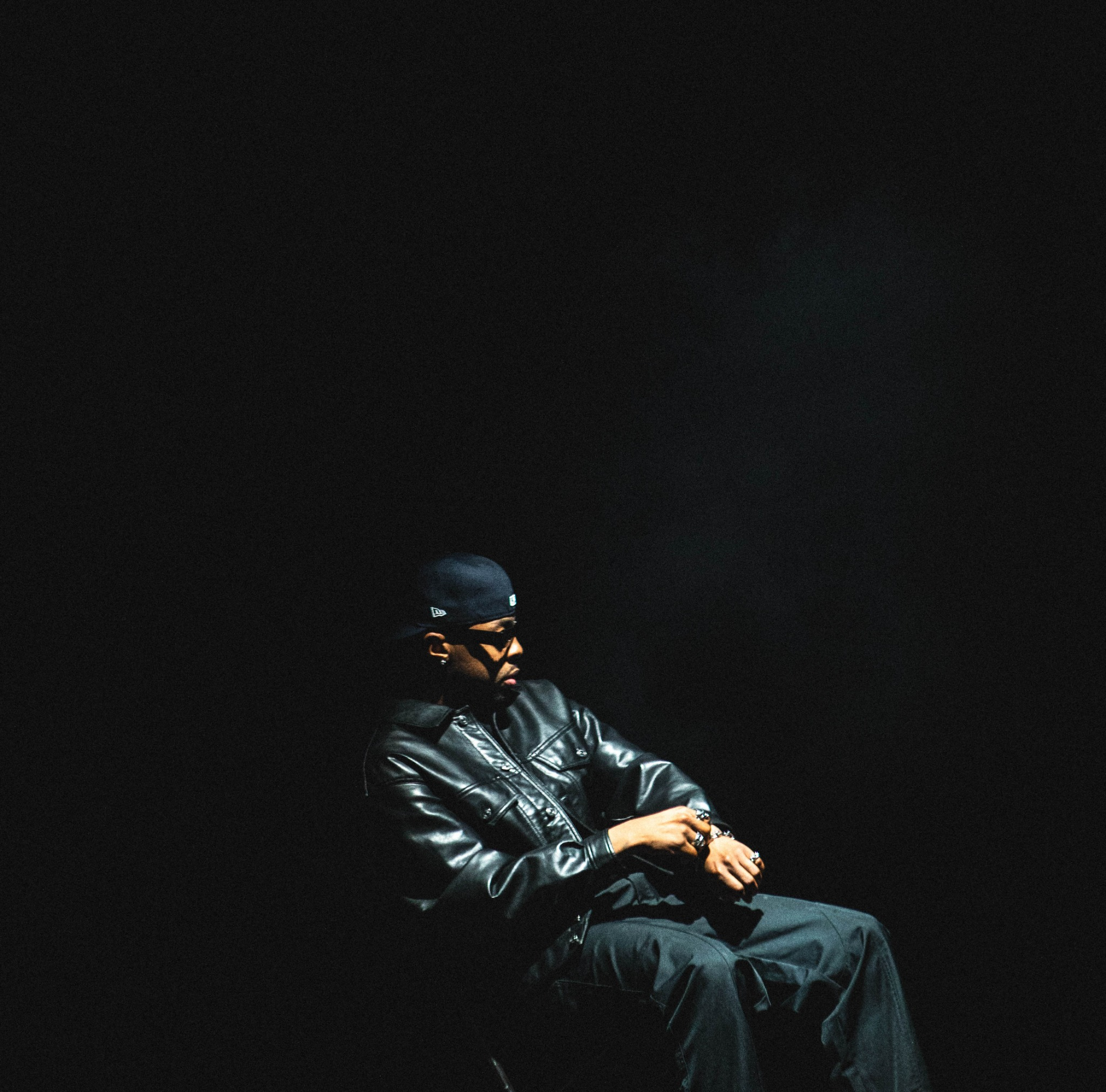
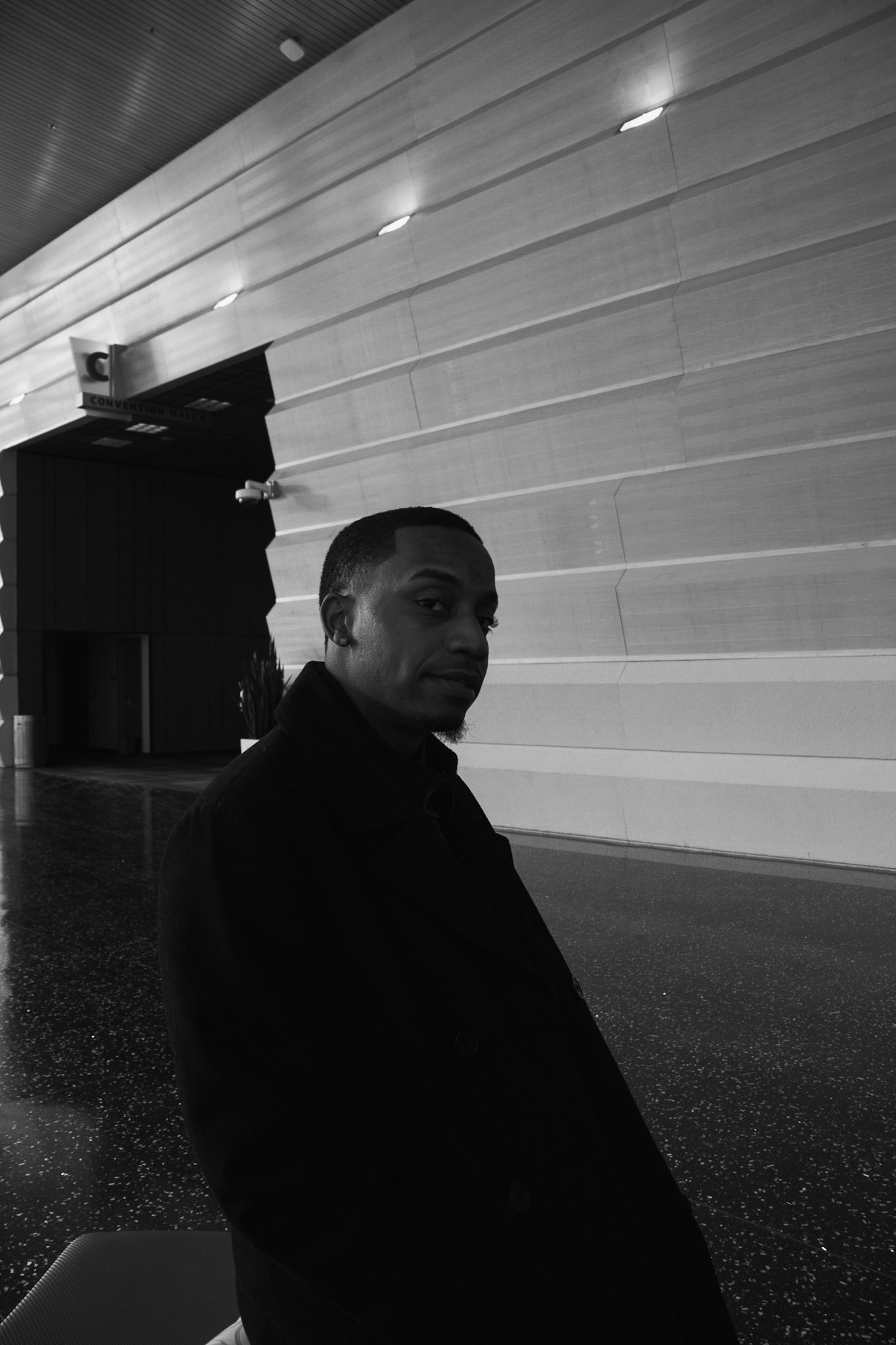
AL99 (pronounced “Al nine-nine”) is an artist, producer and multi-instrumentalist on a mission to do more than just make music for people to listen to. He wants people to get inspired and motivated by it. He wants to be an example for young people and show them that being authentic leads to success. His latest track, “Addictive Visions" features Aisha Hall of Yapp City Music/Ghostface of Wu Tang, and demonstrates his desire for new experiences by achieving his goals through not only his music but all of his entrepreneurial endeavors.
Written in 2025, “Addictive Visions” is a laidback rap track with an entrancing melody where AL99 and Aisha Hall bring different flows but both discuss what they want and what they’re trying to achieve. AL’s flow is more relaxed but still confident as he slides from his verse to the hook. Meanwhile, Aisha Hall brings her confidence to the forefront with her verse which packs a punch but keeps the relaxed atmosphere of the track intact.
“I’m trying to see things I’ve never seen before. I’m trying to go places I’ve never been before. And I want to do that through the music path I’m on.” he said.
AL99 wants to lead by example through the authenticity in his music. And with that authenticity, comes diversity in the booth and in the boardroom. He’s earned degrees in Audio Production and Music Business and releases music through his company, TPC (To Progress the Culture) Music Production, whom he has a distribution deal with via Universal Music Group/Bungalo. He wants people to see that he’s an example of how to navigate the music world on your own terms by making the business decisions that are best for your music and everyone else on your team.
The diversity continues on the music side too with AL99 being a fan of music of all kinds and wanting young people to be inspired to live their truth and be themselves. As a multi-instrumentalist he plays the guitar, drums, and keyboard, giving himself a wide-ranging musical ear. This comes in handy not only when he produces his music but when he mixes and sometimes masters it too.
AL sees himself as a voice for those who may not have one because he himself was once the child that was interested in things that were not as popular with his peers. With age came the confidence to fully embrace these interests and now he’s built a career on musical diversity.
“I’m trying to bring something new to the industry. I feel like today people are more open to that in the rap world because people are starting to stray away from what we’ve been seeing for years. They’re embracing the new creative ways people are doing things and I’m a part of that.” he said.
With AL99 pursuing multiple paths that branch out from his music, motivation to keep moving forward is key. Motivation comes from his love of music and his love for sharing his journey in real time while people witness it with him. He feels as he grows in life his audience is growing along with him and they’re navigating life together. And the through line for this is his aforementioned authenticity and accountability.
AL99 has big plans for the future which include expanding his TPC brand and making movies since he already takes a cinematically intentional approach to his music. In addition to more music, he’s also got something special and unique planned to truly illustrate his story but listeners will have to stay tuned to see more about that.
“Addictive Visions” by AL99 featuring Aisha Hall is available on streaming services now.
You can see more of AL99’s authenticity and journey by keeping up with him on these platforms.
LinkTree | Apple Music | Spotify | YouTube | Instagram | Twitter | TikTok
The Starlight PR Team thanks AL 99 for taking the time to speak with us.
Tap in and stream “Addictive Visions” now!
Share
Advertisement