Hip-Hop Lives Here

Hip-Hop Lives Here
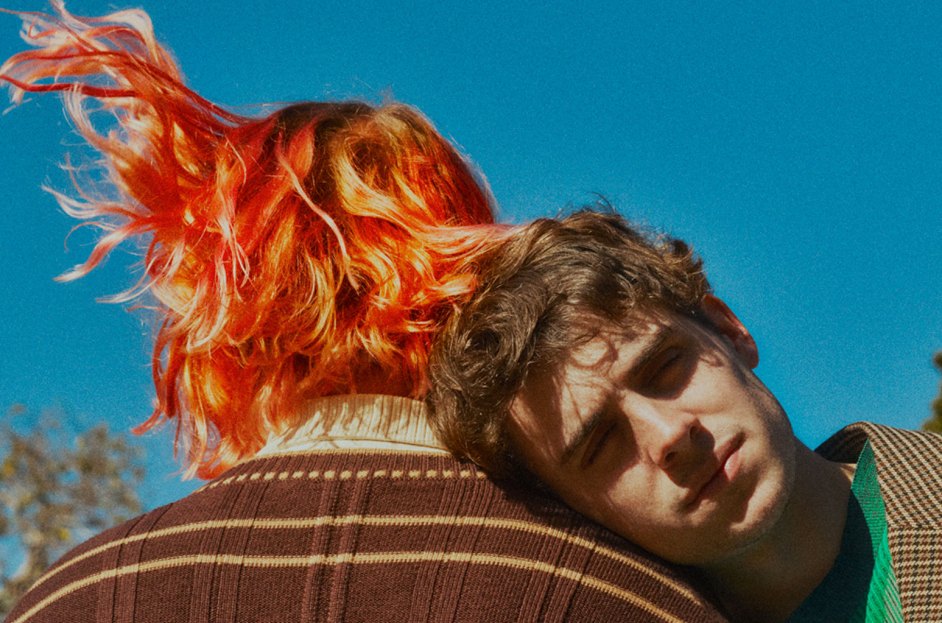
Australian duo Royel Otis have issued an apology relating to the lyrics of their latest single, “moody.”
The single, which was released on May 9 as the first taste of their new era, was written by the pair (comprising Royel Maddell and Otis Pavlovic) alongside Grammy-winning songwriter Amy Allen.
However, the track has reportedly attracted criticisms of misogyny, largely due to the chorus line which states, “My girl’s a b–h when she’s moody.” In a press release issued alongside the song, Royel Otis remained relatively tight-lipped, simply noting “It’s a song about a girl,” in keeping with the text featured on the single’s artwork.
In a report from Australian outlet news.com.au, a former school friend of Pavlovic claimed the band were “deleting [social media] comments that call out the lyrics and video, while only replying to the positive ones.” The friend added, “In 2025, it’s disheartening to hear a local Australian artist – someone I know or I knew – casually refer to women as ‘b–hes’ in their lyrics.”
A statement received from the publication by Kay and Hughes Art and Entertainment Lawyers quoted the track’s recent successes while downplaying the lyrical content present within.
“This song is written from a specific perspective, it is not intended to convey a broader view or standpoint about women in general,” Royel Otis said in the statement. “We apologise if anyone understood those lyrics otherwise.”
Royel Otis first formed in 2019, releasing a series of EPs between 2021 and 2023 before issuing their debut album, Pratts & Pain in 2024. Though their “Sofa King” track reached No. 12 on the Alternative Airplay chart in 2023, the band found widespread fame last year following their cover of Sophie Ellis-Bextor’s “Murder on the Dancefloor” for Australian radio station triple j’s Like a Version series.
The cover topped the Alternative Airplay charts and also peaked at No. 41 on the Hot Rock & Alternative Songs chart. The group’s penchant for covers was again felt when their SiriusXM session rendition of The Cranberries‘ “Linger” was released, giving them their first appearance on the Hot 100 when it reached No. 94.
In late 2024, Royel Otis won four ARIA Awards from eight nominations, including best group and best rock album, while producer Chris Collins won best produced release and best engineered release for Pratts & Pain.
More recently, the pair performed two sold-out shows at the Troubadour in Los Angeles before announcing an additional run of U.S. dates for September and October as part of their Meet Me in the Car tour.
 Share
Share
Advertisement

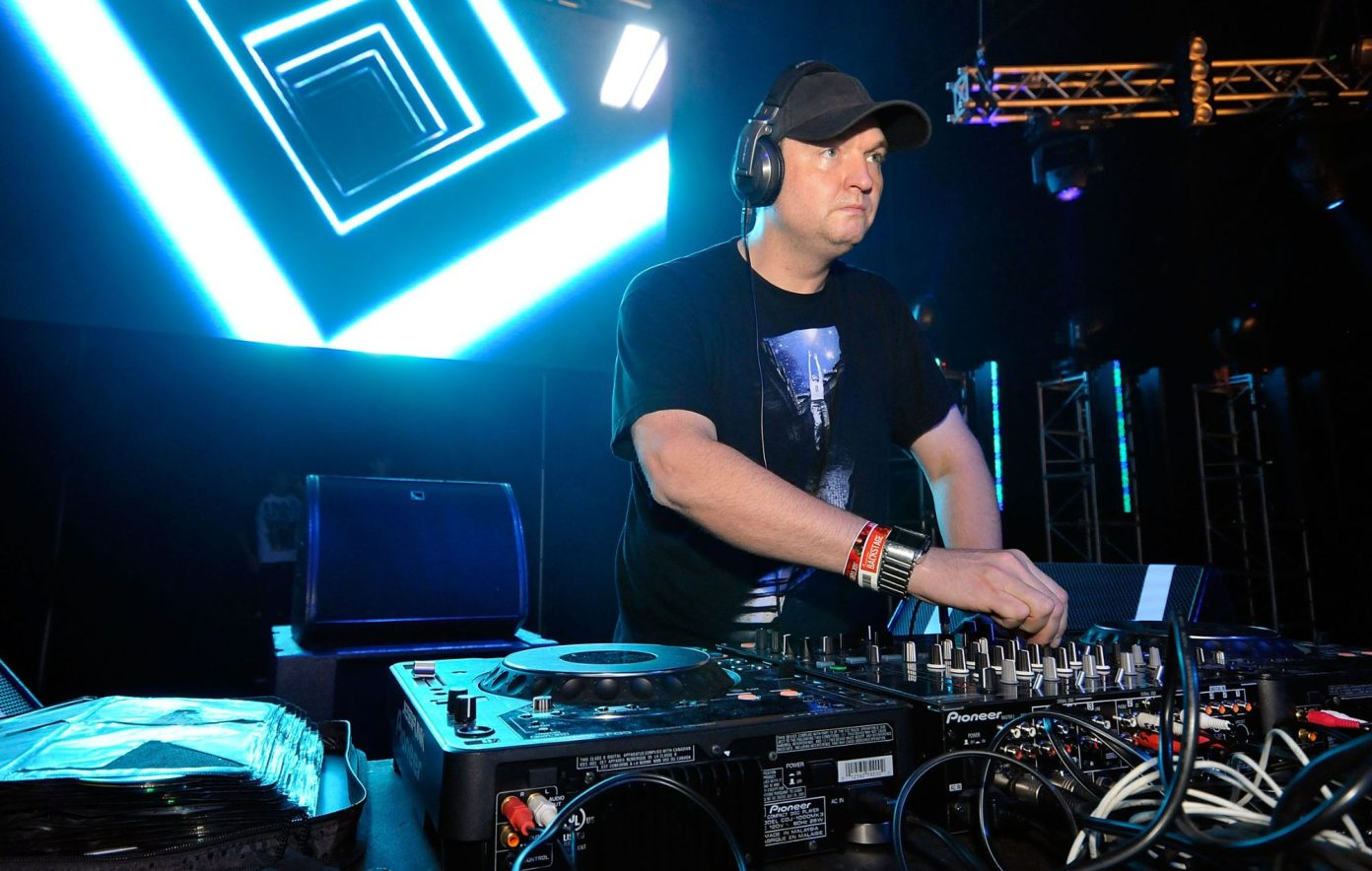
Tributes have been shared following the passing of West Coast house producer DJ Dan, who has died at the age of 57. He was remembered as a “beloved, genre defying” figure in the scene.
Confirmation of his passing came from one of his representatives on Sunday, March 29, through a statement provided to Billboard. At this time, no details about the cause of death have been made public.
“It is with profound sorrow, deep admiration, and an enduring sense of gratitude and love that we announce the passing of Daniel Wherrett, known professionally to the world simply as DJ Dan,” the statement said, also calling him “one of the most beloved, genre-defying, and genuinely influential pioneers in the history of American electronic music.”
“He leaves behind not just a discography, but a culture, a way of feeling music that touched millions of souls across four decades and five continents. He often said he felt his purpose in life was ‘to heal through music.’”
DJ Dan had been scheduled to perform at Dead Ringer in Nevada on Saturday, March 28, but fans were informed only hours before the show that it would no longer take place and refunds would be issued. In a short message posted on Instagram, organisers only said that “unfortunately DJ Dan is unable to make it tonight.”
Further comments from Wherrett’s representatives described him as “a man who saw music in colours”, adding that his DJ sets were a “vision translated into something audiences felt in their bodies long before they understood it with their minds.”
“Off the stage, he was a cook, a traveler, an obsessive record collector whose family bought him a new turntable every Christmas, not because it was tradition, but because it was the only gift he ever wanted,” they continued.
“He leaves behind his music, his label, his mixes, and the countless thousands of dancers who found themselves, truly found themselves, in the middle of one of his sets. The world is quieter today. But press play on anything he touched, and you will hear exactly why we mourn him, and exactly why we are forever grateful he was here to inspire us.”
Since the news broke, fans have been sharing messages online to honour the late DJ. One fan wrote on X, formerly Twitter: “DJ Dan made some of the first mixtapes that got me into raving when I was young. So sad to hear this news,” while another posted: “RIP to a very formative person in how I entered into all of it.”
Another tribute read: “House music helped define an entire era of my life. DJ Dan was someone who shaped so many of my friends into the DJs they become,” while someone else shared: “RIP DJ Dan. A superbly nice person, fortunate to have known him and call him a friend.” More tributes can be found below.
Born Daniel Wherrett in Washington, DJ Dan originally studied design before relocating to California in the early 1990s to fully focus on electronic music. He later helped establish the Funky Tekno Tribe and became a key figure within the West Coast underground electronic scene.
By 1998, he had recorded ‘Essential Mixes’ for the BBC, and in 2004 he reached Number One on the Billboard Dance Club Songs chart with ‘That Phone Track’. Earlier releases including ‘Needle Damage’ from 1999 and ‘That Zipper Track’ and ‘Put That Record Back On’ from 2001 also charted on the Official Charts.
Share
Advertisement