Hip-Hop Lives Here

Hip-Hop Lives Here

De La Soul’s tenth studio album is built around a steady and unwavering mission: to honour the life and legacy of founding member David Jolicoeur (also known as Trugoy The Dove) after his heartbreaking death in 2023. Speaking with NME earlier this year, MC Posdnuos remembered what Jolicoeur’s family told them at the funeral: “If y’all stop, Dave stops. We’re not putting necessary pressure on you, but we would love to see y’all continue on.”
The fact that De La have not shared a release since their Grammy winning 2016 album ‘And The Anonymous Nobody’ makes it clear that they only speak when they have something meaningful to offer. With so many layered emotions around grief, reflection, and legacy rising to the surface, this moment feels right for such a powerful return.
Drawing together an impressive gathering of talent, including iconic hip-hop figures like Nas, Slick Rick, Q-Tip, Pete Rock, Black Thought, and DJ Premier, all acknowledged in an extended opening roll call, Posdnuos and Maseo aim to craft an experience that fully pulls you in. With poetry and spoken word woven throughout, sweeping orchestral touches, and a clean, grounding narration from actor Giancario Esposito, ‘Cabins In The Sky’ attempts to capture the long process of facing Jolicoeur’s absence while firmly insisting on his lasting presence, expressed through lines like “When its Pos and Maseo you see, the magic will always remain three” (‘YUHDONTSTOP’).
One of the album’s most emotional moments arrives on ‘Different World’, which features poet Gina Loring and showcases some of Pos’ most exposed and heartfelt writing to date. Blending internal rhymes with a gentle flow that pulls you along, he shares: “Hard for me to cry, ‘cause I’m thankful… steering us through right and left turns / What we earn is another angel on our side.”
It is important to recognise that this album is not weighed down solely by sorrow or sentimentality. Instead, it stays grounded in the reality of the world we are living in now, offering plenty of new and outward-looking thoughts. On ‘YUHDONTSTOP’, Posdnuos reflects, “There’s high stakes being played around the world, and it’s understandable to be rooted in the present,” while also speaking honestly about De La’s place in contemporary American culture: “Some young ones don’t think we got that edge… Telling us ‘you a pioneer’ means you have American Pie nowhere near you.” Elsewhere, ‘A Quick 16 For Mama’ brings a tribute to the love and sacrifice of mothers alongside Killer Mike, and ‘Just How It Is’, which explores the story of a woman betrayed by her partner, highlights the deeper empathy and insight that maturity has given Posdnuos.
While De La Soul’s reflections on society are sharp and clear, the heart of this project belongs to David Jolicoeur and the space he has left behind. By examining the deep influence he had on their lives, both personally and creatively, the remaining members of the group shine a light on his essential contribution to American hip-hop and show exactly why they continue to be celebrated as some of the culture’s most cherished voices.
 Share
Share
Advertisement
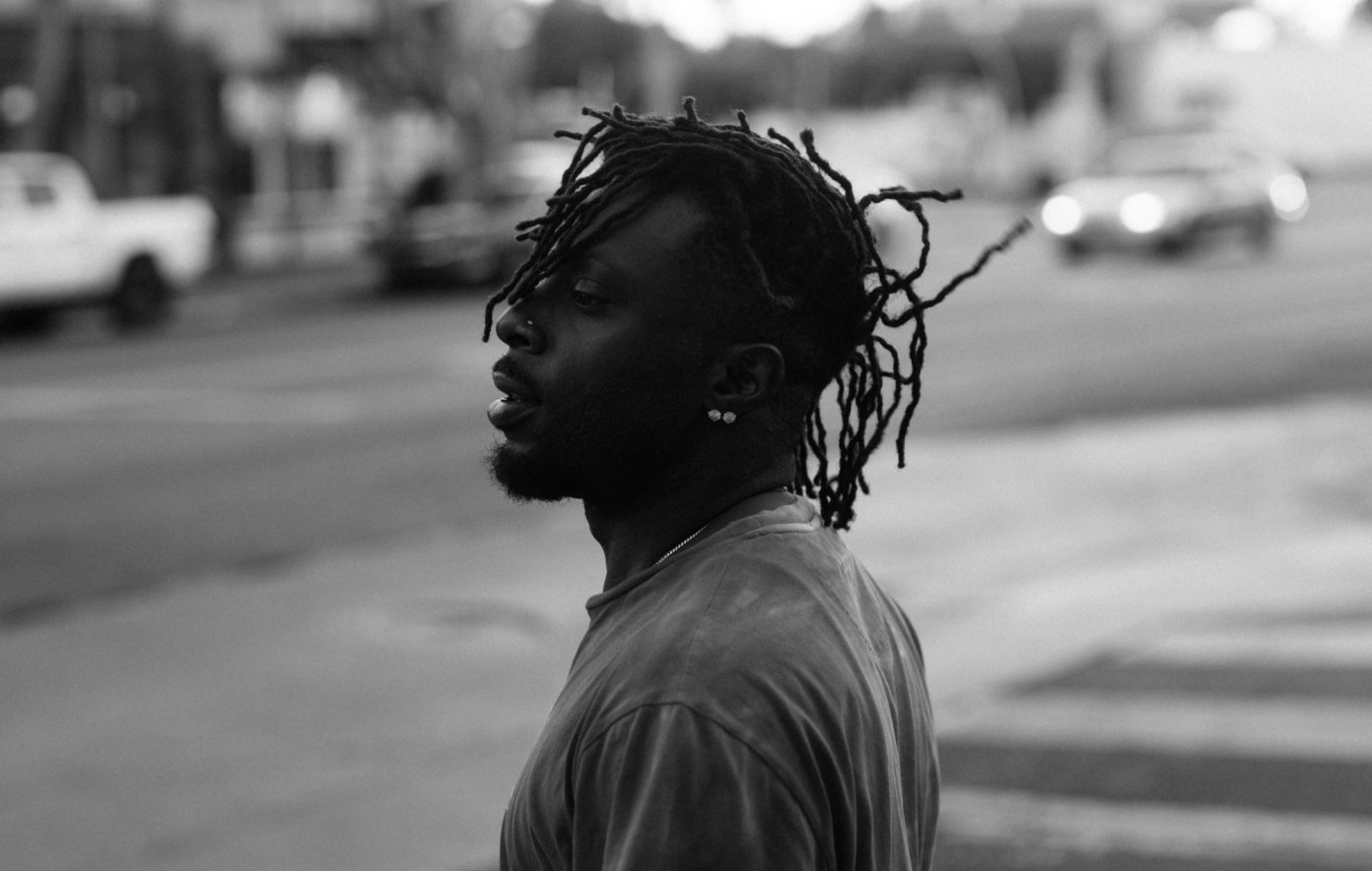
Isaiah Rashad does not hide behind metaphors on his latest album, It’s Been Awful. The title alone tells listeners exactly where his head has been. Honesty has always been central to Rashad’s music, from his breakthrough 2016 project The Sun’s Tirade to 2021’s The House Is Burning. Across his career, the Top Dawg Entertainment artist has carved out his own lane with hazy Southern rap, neo soul textures, and deeply personal songwriting that often goes far deeper emotionally than many of his peers.
Rashad’s previous album arrived after a difficult period involving homelessness and rehab, and this new record comes following another painful chapter in his life. Between relapses, fractured family relationships, and the invasion of privacy that followed the leak of a sex tape in 2022, It’s Been Awful feels like the sound of someone confronting everything at once. He wastes no time addressing it on opening track ‘The New Sublime’, where he raps, “Feel afflicted, falling over / Ask me who I’m fucking, I been fucking up.” The song dives into his fears around sobriety, his sister’s incarceration, and the emotional impact these struggles have on the people closest to him.
Themes of addiction and self destruction continue to run through the album. On ‘Same Sh!t’, a track carrying influences from A$AP Rocky and Skepta, Rashad references substance abuse directly with the line, “The pills, the blow, the ‘yac, the top,” while nodding to classic Lil Jon energy. ‘M.O.M’ captures the cycle of temptation and compromise as he tries to resist one vice only to replace it with another. Elsewhere, he speaks openly about the physical damage these habits have caused, admitting, “The doctor say that shit been fucking with my heart / but I can’t barely sleep / chasing money, love and all of the amphetamines.”
The emotional weight deepens on ‘Act Normal’, where Rashad examines generational trauma and learned behaviors passed through family lines, reflecting on “Acquired secrets / Learned to be the best at it.” Then on ‘Do I Look High?’, he strips away any remaining distance between himself and the listener with one of the album’s most vulnerable admissions: “Last time that I told you that I was clean, I was lying / I’m praying that my sister makes it home by Christmas morning.” The album’s brutally detailed storytelling may feel heavy for some listeners, but that raw specificity is exactly what gives the project its emotional power.
Still, It’s Been Awful is not consumed entirely by darkness. Rashad has spoken about music as something healing and transformative, and throughout the album he refuses to let despair completely swallow him. Inspired by artists like Prince and OutKast, the project carries a warm, sun faded atmosphere that softens the pain without hiding it. ‘Supaficial’ glides forward with bright trumpet accents while Rashad casually delivers lines like, “Where you going? You a junkie, you been way outside.” Meanwhile, ‘Happy Hour’ turns emotional exhaustion into something strangely melodic, pairing confessional lyrics with dreamy piano production. At its best, the album feels like Southern rap drifting through late night R&B haze during a summer drive with the windows down.
On ‘Superpwrs’, Rashad sums up the cycle he seems trapped inside, asking, “How I get sober, fucked up, then clean again, I don’t know,” before acknowledging his own disappearing acts from music with, “How you be rapping circles around n****s, but you don’t drop, I don’t know.” His skill has never been the issue. The real obstacle has always been life itself. But with It’s Been Awful, Isaiah Rashad delivers one of his most honest and affecting projects yet, making it impossible to overlook him any longer.

Share
Advertisement