logo

Hip-Hop Lives Here

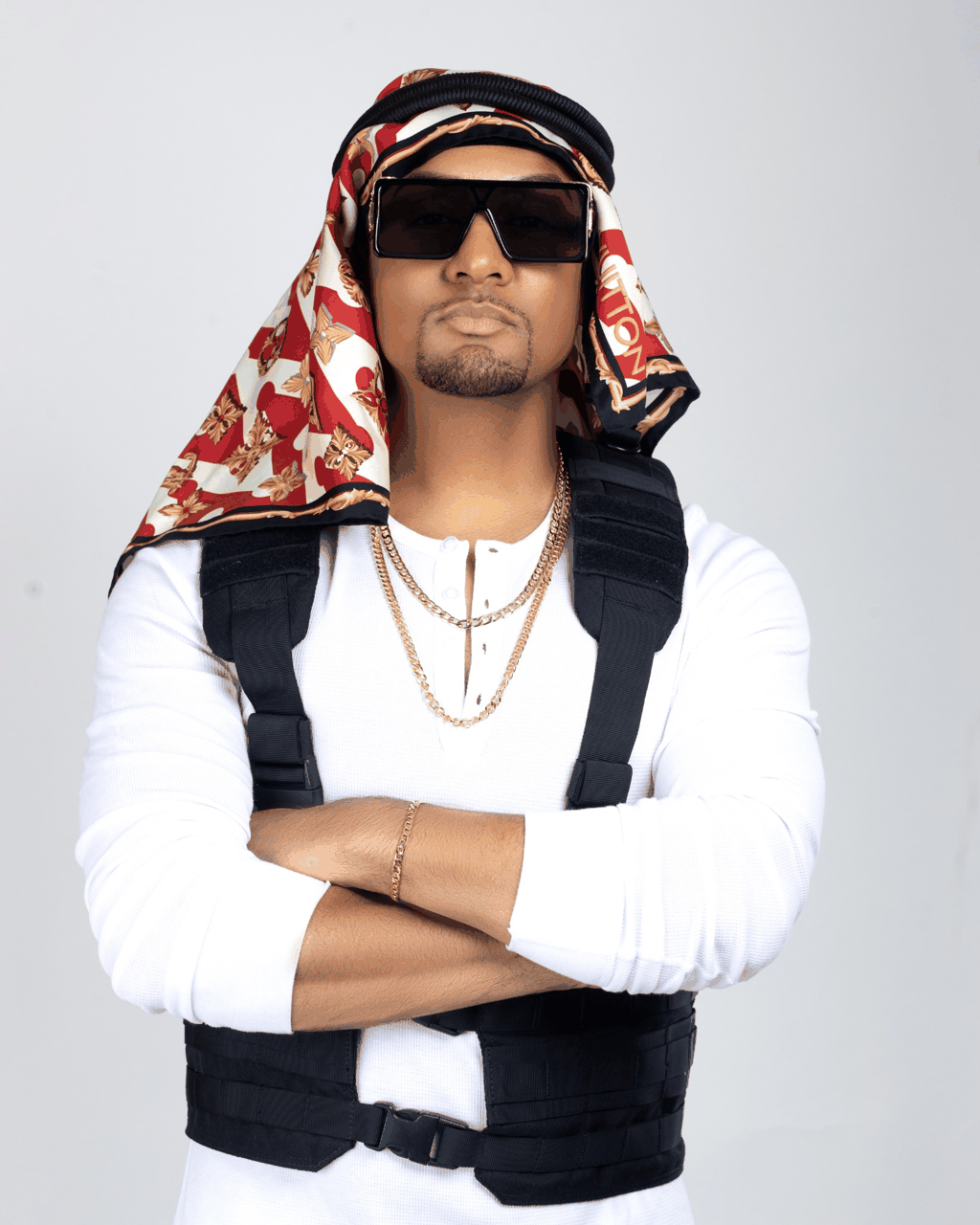
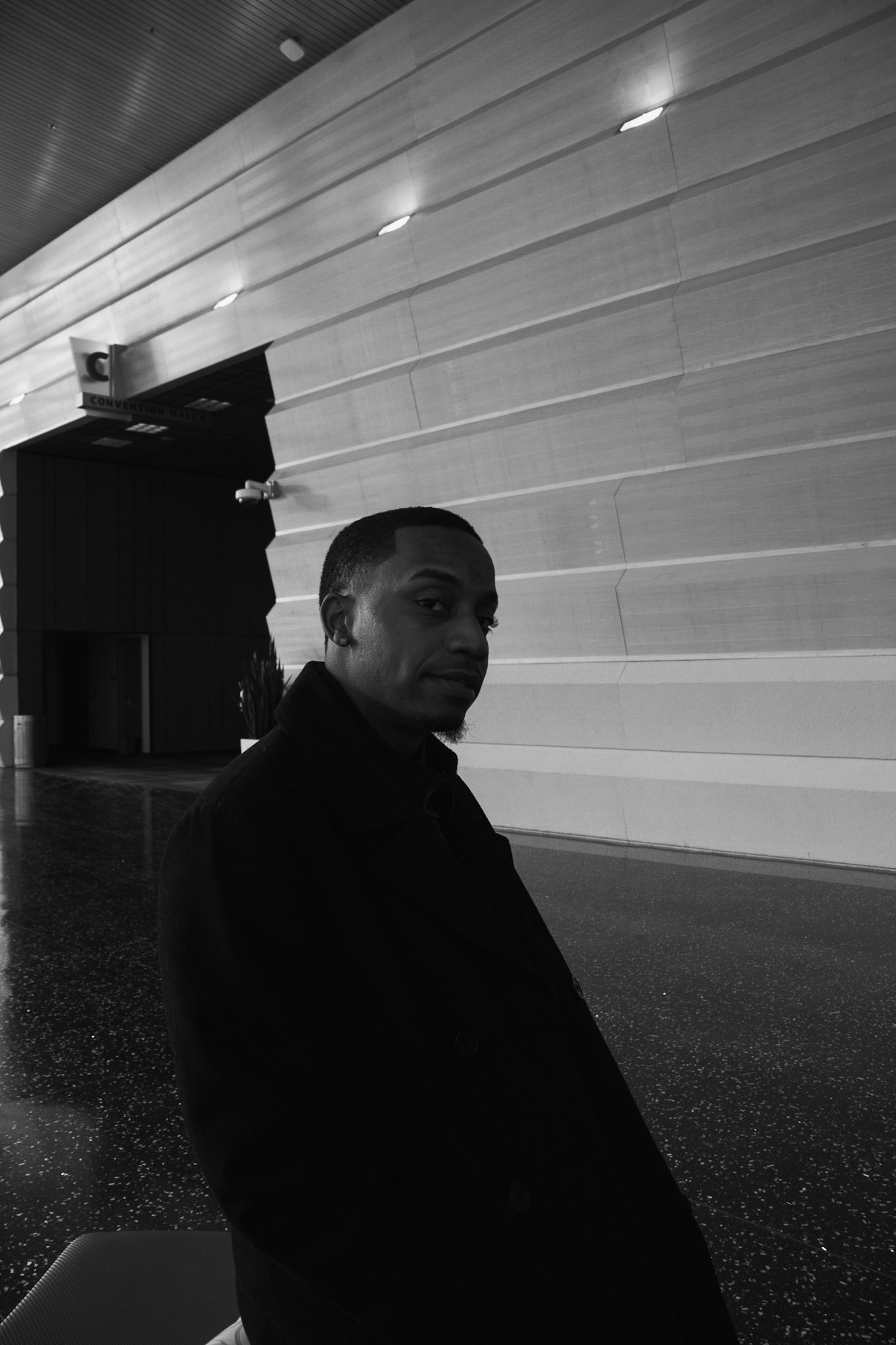
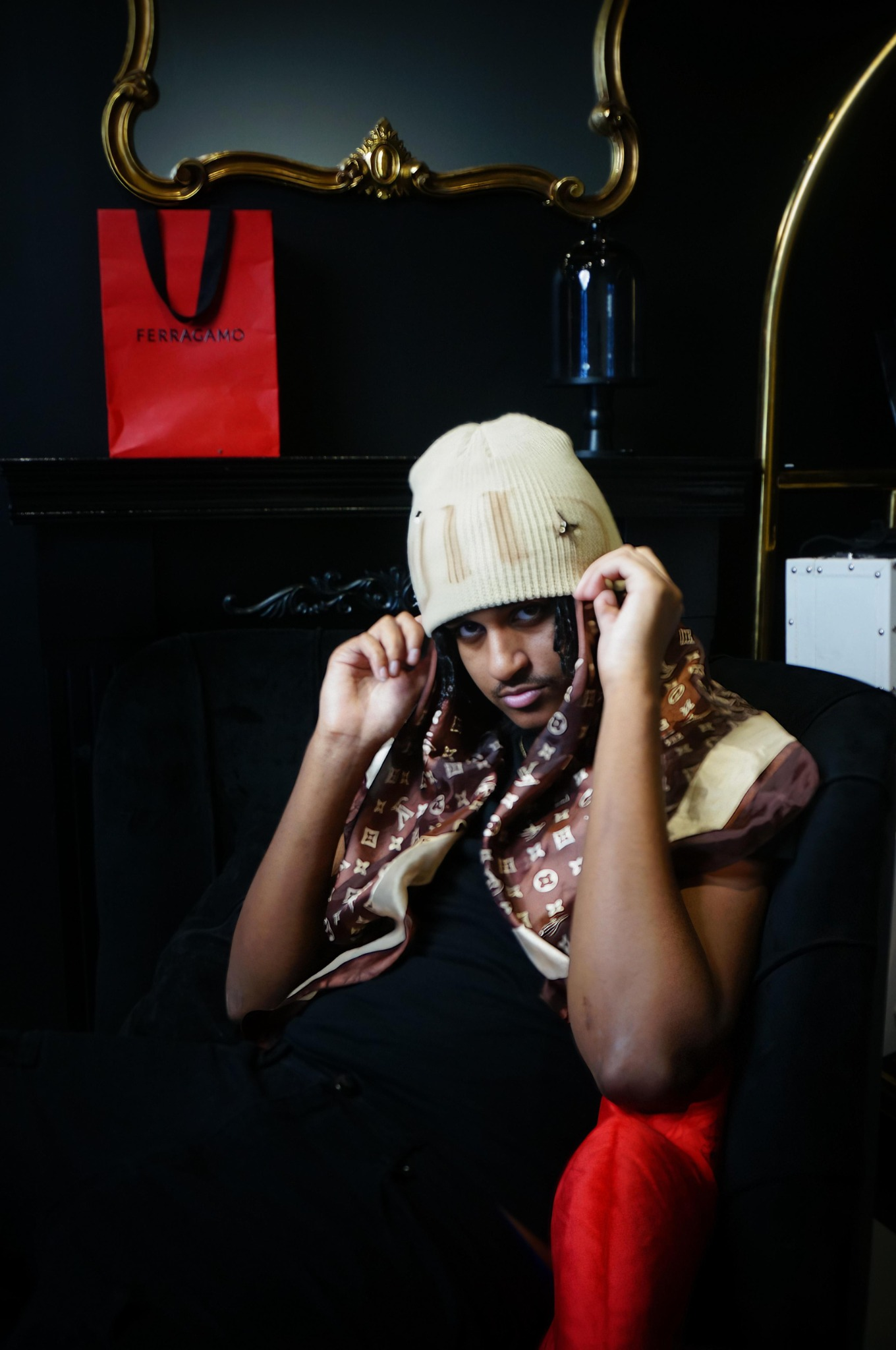
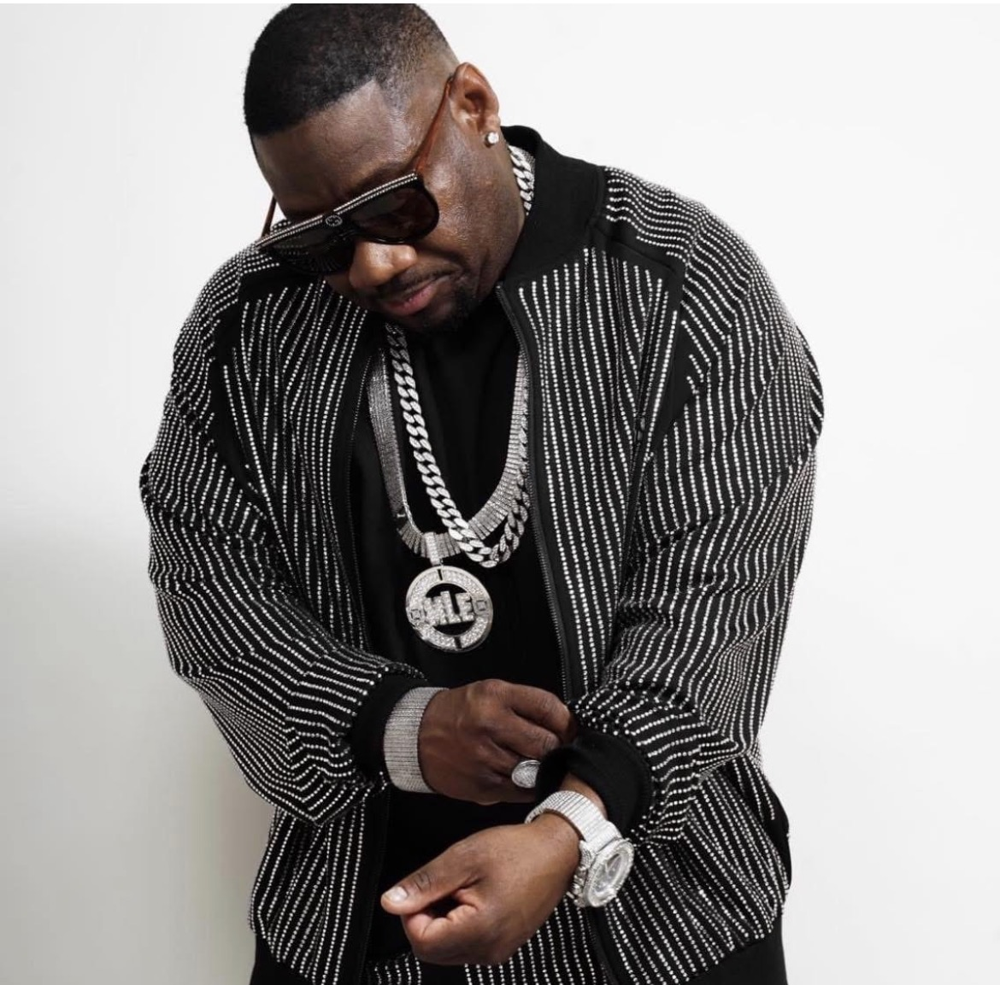
Exclusive Interview with McKell

image
Artist Spotlight: McKell

While showing off his talents as a rapper in every single he drops, the artist known as McKell also demonstrates his ability to develop tracks that appeal to men and women alike.

We had the privilege of sitting down with McKell for an intimate conversation on music, meaning, and evolution.
 
HipHopNow: When did you begin to see music as more than a personal outlet?

McKell:I realized in high school that there’s a song for every mood I’m in, but when I wrote my first song, I discovered something deeper—that I could process my thoughts and emotions in my own language. Listening to music can reflect how you feel, but writing it allows you to shape those feelings. It turns whatever you’re experiencing into something tangible—something you can control, revisit, and even share.

HipHopNow: What personal traits do you think most influence your creative decisions?

McKell: I think several personal traits shape my creative decisions. My wit influences my songwriting, allowing me to express ideas in a clever and engaging way. Being open-minded guides my approach to fashion, helping me explore different styles and perspectives. At the same time, my ability to think outside the box drives my creative direction, pushing me to develop unique and original concepts.

HipHopNow: How do ideas for new songs or projects usually take shape for you?

McKell: Songwriting is very organic for me. When I hear a beat, it immediately pulls an emotion or thought out of me, and from there I just let everything flow naturally. Sometimes a song comes together in 48 hours, and other times it can take weeks. The process can feel like solving a puzzle—I’ll move lyrics around, revisit lines, and refine ideas until they feel right. There are moments when certain rhymes are just placeholders, and I always push myself to replace them with something more meaningful.

Other times, I start with a specific subject I want to explore and then search for beats that match the energy I’m trying to capture. As for larger projects, they’ve come together as a natural progression—starting with singles, growing into EPs, and eventually developing into a full album.


HipHopNow: What helps you stay productive during periods of creative uncertainty?

McKell: During periods of creative uncertainty, I focus on clearing my mind and resetting my energy. Going to the gym, taking a late-night drive on the highway, or even cleaning helps me refocus and find clarity. Once I’m in a more positive headspace, everything else starts to flow naturally again.

HipHopNow: How would you describe the elements that define your sound today?

McKell: My sound is rooted in hip-hop, R&B, and pop, blending real, soulful elements with a catchy edge. I bring my wit and personal life experiences into the music, which adds authenticity and gives each track its own voice and feeling.

HipHopNow: How do you approach evolving musically while maintaining consistency in your work?

McKell: I approach growth in my music the same way I approach growth in life. Traveling, experiencing new things, and simply living all contribute to my evolution as a person, and my sound naturally evolves with me. While I explore a range of different styles, I’m intentional about seeking out beats that feel fresh and don’t repeat what I’ve already created. That way, I can continue to grow creatively while still staying true to who I am.
 
HipHopNow: What have been some of the most important lessons you’ve learned navigating the music industry?

McKell: One of the biggest lessons I’ve learned in the music industry is to move the same way I do in my personal life—keep my circle small and protect my energy. While I genuinely enjoy collaborating with other creatives and working with people who can help build my brand, I’ve also encountered a lot of inauthenticity.
 
I’ve had experiences where individuals I trusted—whether influencers, artists, or even management—didn’t deliver on what was promised, despite clear agreements. Those situations taught me the importance of handling business properly: getting everything in writing, understanding contracts, and holding people accountable.
 
I’ve also learned that success in the industry isn’t always based purely on talent. Visibility, image, and sometimes controversy can play a major role. Understanding that reality has helped me stay grounded, move smarter, and focus on building something authentic and sustainable on my own terms.
 
HipHopNow: How do you balance creative priorities with the practical realities of releasing music

McKell: I always put my craft first. As an independent artist funding everything myself, that often means my release process takes more time—but it’s intentional. I focus on getting every detail right, from finding the right beat and writing a song I truly connect with, to recording drafts, refining the track, and going through the full process of mixing and mastering.

Beyond the music itself, there’s an entire creative and strategic rollout. That includes developing artwork, creating promotional content, and planning how the project will be introduced to the audience. If a song calls for a visual, that opens up another layer—concept development, sourcing the right videographer, securing locations, coordinating styling, dancers, and choreography, and managing the overall production.
 
On set, I’m hands-on with everything—making sure the vision is executed while also ensuring the team is supported, organized, and taken care of. Afterward, there’s still post-production, final edits, distribution, proper crediting, and promotion.

Balancing creativity with the business side comes down to patience, discipline, and intention. There’s a lot that happens behind the scenes, but for me, it’s all about delivering quality work that truly represents who I am, no matter how long it takes.

HipHopNow: What was the focus or intention behind your most recent release?

McKell: The intention behind my recent releases has been to fully showcase my love and respect for hip-hop, R&B, and pop. I wanted to create a journey—starting off light and smooth, then gradually introducing more edge and intensity as my sound evolves.
 
My first EP, McKell’s World Vol. I, was inspired by an early 2000s vibe, leaning more into pop and R&B. With my current project, I’ve shifted toward a more timeless sound that blends R&B and hip-hop, while still incorporating elements of pop. Across both, I explore a range of subject matter, allowing each track to reflect different sides of my artistry while staying true to my overall vision..

HipHopNow: How did the creation of this project differ from your earlier work?

McKell: There wasn’t a major difference in my creative approach. I had a clear vision, which gave me direction, and everything else flowed organically from there. I usually start by writing down the subject matters I want to cover to make sure each idea is intentional and fully developed.

From there, my process can vary. Sometimes I’ll explore a beat maker’s catalog, other times I’ll send reference tracks to have a custom beat created. In some cases, I’ll even record a hook first and have a producer build the instrumental around my vocals and direction.

The same flexibility applies to features—sometimes I choose an artist who naturally fits the track, and other times I write with a specific collaborator in mind. Overall, it’s a fluid process built around vision, intention, and adaptability.


Leave a Reply

Advertisement

image
MOST POPULAR

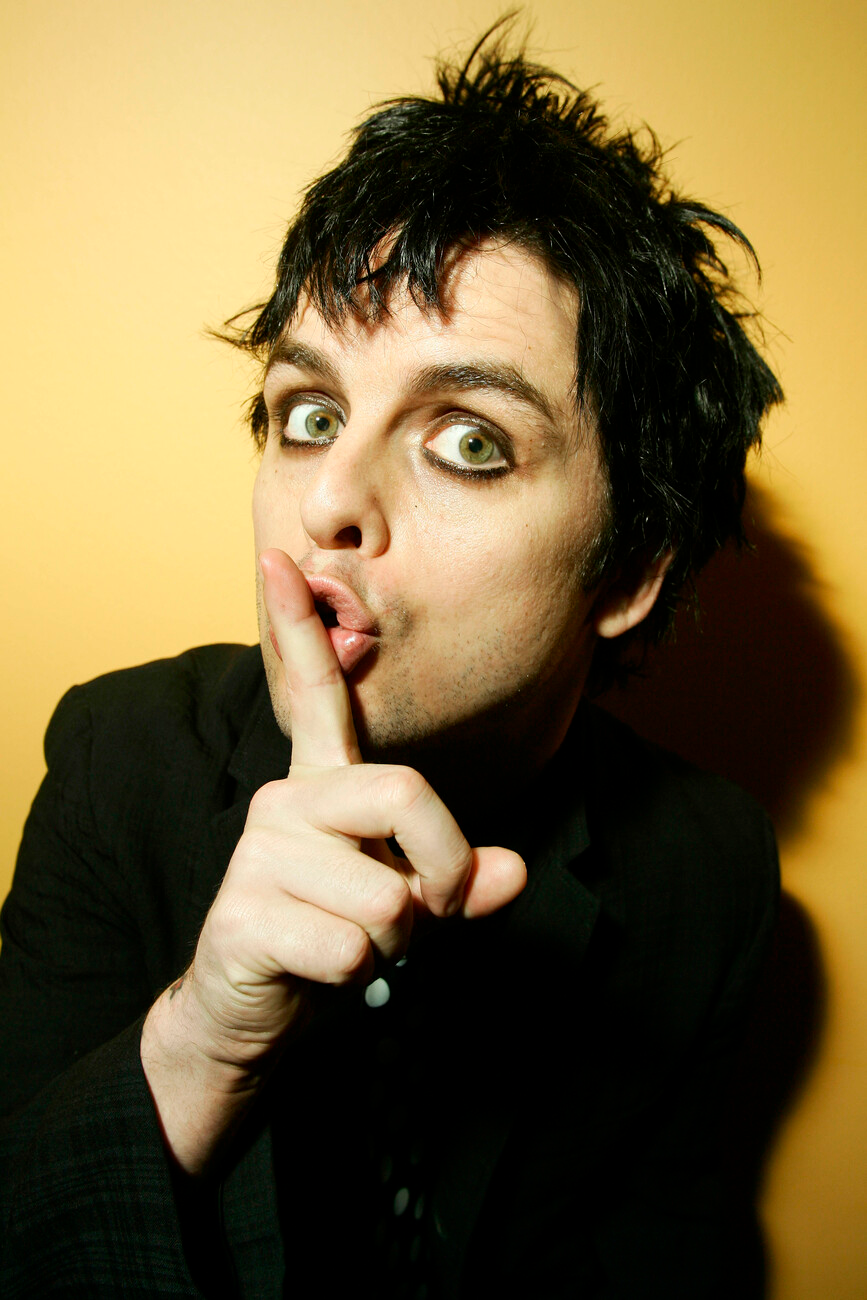
What I’ve Learned: Billie Joe Armstrong

image

I love black. I love leather jackets, and I like having my old favorite T-shirts. I end up buying the same outfit over and over.

I was never Mr. Hardcore. When we first started playing together, there was a big trend of who can play the fastest. And it was like, “Well, I don’t want to do that.” That’s not really musical for me. It became almost a bit macho, which is something we were definitely trying to get away from.


We didn't want to be a bunch of tough guys. We would rather have bigger hearts than bigger muscles.

My dad drove a truck. He was a truck driver for Safeway, and my mother was a waitress. My dad was also a jazz drummer.

I’m one of six kids. I'm the youngest. It was loud. Everybody was funny. Everything seemed pretty much like a normal big family, whatever that means. But then that dynamic really switched when my father passed away when I was ten.

It was dark. Everyone was sort of forced into dealing with that pain. It was that ghost that was always there. It still is.

This woman named Mrs. Fiatarone taught me how to sing when I was really young, four or five. I was almost like this child lounge act. I’d sing show tunes. I would sing at veterans’ hospitals. Children’s hospitals.

I made a record when I was five. It was called “Look for Love,” and it was recorded at Fantasy Studios in Berkeley. It got local radio play. That moment stuck with me my whole life. “Oh, you can make records.

I had enough of a chip on my shoulder that I wasn’t going to let anybody hold me down.

When we toured in the early days, we were staying on people’s couches. If you’re playing in places in Montana or Corpus Christi, you’re getting a real education. Life is just coming at you from town to town.

I married the right person. That’s a big deal. My wife really was smarter than I was. I was more spontaneous and wild, where she could be more practical and knew how to make plans better. But we were the right people for each other.

We got some backlash after Dookie got huge. The mistake that I probably made was taking the bait. If I would’ve known that back then, I would’ve just ignored the bullshit. But when you’re a sensitive twenty-four-year-old person, it’s difficult to just ignore things like that.

Whatever the criticisms were, though, I had enough of a chip on my shoulder that I wasn’t going to let anybody hold me down.

I'm obsessed with music. I just am. If I wasn’t in a big band, I would be working at a record store or teaching guitar lessons or doing anything to support my musical habit.

I love The Bachelor. I love watching Bachelor in Paradise. You could play a drinking game and every time they say, “Welcome to Paradise,” you drink.

The older you get as a songwriter, the more you second-guess yourself. When you’re younger, you have no audience. You say anything you want. And then suddenly you have an audience, and you want them to be stoked on what you’re doing. But at the same time, you have to challenge yourself.

I never grew up in any kind of religion. I tried to go to Sunday school, but it never really worked out.

Surfing is one thing for me that has really been kind of spiritual. When you’re out in the ocean, it’s the most powerful force in the world.

I do pray. I try and think of something out there that is a higher power, just to make sure I’m keeping my ego in check.

I don't live in Los Angeles. And when I do go to Los Angeles, you really get to know what all the perks are of being a rock star. It’s like you’re almost on someone else’s vacation.

I like being a normal person. I like being someone that just lives in a community and has good friends and strong relationships that are based on the same life experience that we’re all going through.

Then I'll play a gig in front of a hundred thousand people and I go, “Holy shit!” That doesn’t get old. It’s fun. But I don’t ever want being a rock star to be an excuse for being lazy.I was talking to someone once and they asked me, “Why are you afraid of dying?” And I said, “I’m afraid of the darkness.” And they said, “How do you know it’s dark?” And I was like, “That’s a really good question. I have no idea what it’s like.”

Sobriety is not a one-and-done kind of thing. I’ve definitely fallen off the wagon several times.

Right now I don’t drink. And I like myself. If I was to put one thing that would get in the way of everything I wanted to achieve in my life, alcohol would be it. I make no guarantees. But right now it feels better.

Punk has never been dead. It’s alive with the kids. When kids get together and want to play music together or create art or create fanzines, that’s what keeps it alive. Not what’s popular or anything like that.

Leave a Reply

Advertisement

image
MOST POPULAR