Hip-Hop Lives Here

Hip-Hop Lives Here

More than 160 cases of COVID-19 have been confirmed so far among people who attended the Watershed Music Festival at the Gorge Amphitheatre in central Washington.
More than 20,000 fans packed the Gorge, in George, Wash., for the three-day outdoor country music festival in late July, The Seattle Times reported.
The Grant County Health District said Friday (Aug. 13) the cases are tied to residents in counties including King, Grant, Pierce, Skagit, Kittitas, Okanogan, Whatcom, Kitsap, San Juan, Lincoln and Stevens. There’s also one case tied to an Oregon resident.
Officials expect more cases associated with the festival to be confirmed in the coming days and investigators are working with those who have tested positive to identify other cases.
Public Health officials urge people who attended the festival to self-quarantine and get tested for the virus. On average, symptoms of the virus develop five to six days after exposure, but the incubation period can be as long as 14 days, officials said.
In eastern Oregon, Umatilla County Public Health officials have tied at least 66 COVID-19 cases to the outdoor Pendleton Whiskey Music Fest on July 10. Sixty-one of the people who tested positive were unvaccinated, officials said.
 Share
Share
Advertisement
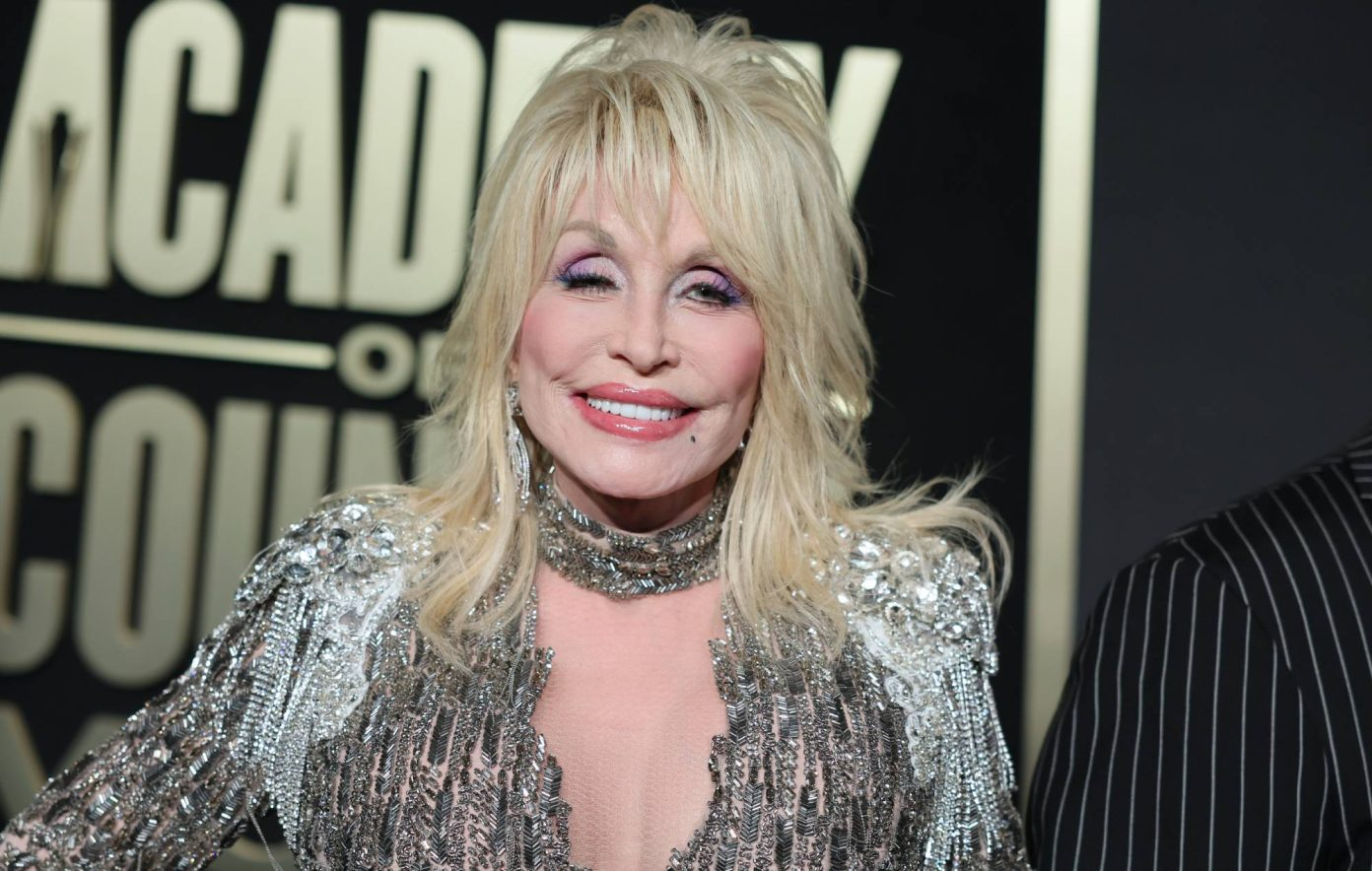
The estate of Dolly Parton has revealed the first major public celebrations dedicated to the late superstar’s life and musical legacy. Titled “DollyFest: The Celebration of a Lifetime,” the events will be held in Nashville and London on consecutive weekends in 2027.
Exact dates for the two day festivals have not yet been confirmed. According to the estate, a Nashville edition of DollyFest had originally been arranged for January 2027 with Parton involved. That event will now proceed as a tribute to her, while another celebration has been added in London.
For many fans, DollyFest could serve as the nearest equivalent to a public memorial. Danny Nozell, Parton’s longtime business partner and the founder and CEO of CTK Enterprises, explained in a statement that “as far as a traditional memorial goes, that is not something Dolly wanted.”
The festival announcement states that “what was originally planned as a multi-artist event for January 2026 in Nashville and intended to feature Parton as performer and host will now morph into a global double-day, double-weekend, double-continent party of a lifetime.”
Nozell explained that the initial idea was to stage the celebration on Parton’s birthday on Jan. 19. “What Dolly started, we will ensure is brought to life. Many people behind the scenes know that DollyFest is a dream of Dolly’s that was intended to take place on her 80th birthday in Nashville. We had the venue booked and we had the announcement ready to go. And then, in August 2025, Dolly had to take a step back after her initial health challenges. A lot of people always say, WWDD (What Would Dolly Do?), and, well, at this moment, DollyFest is WDWD (What Dolly Would Do!).”
Nozell indicated that the estate does not intend to interfere with the numerous tributes and memorials expected to take place this fall. However, DollyFest will stand as the estate’s official celebration of Parton’s life, reflecting the belief that she would have preferred to be remembered through a joyful festival instead of a more sombre public ceremony.
“We are not discouraging people from celebrating Dolly in the ways they choose,” he said. “However, as far as a traditional memorial goes, that is not something Dolly wanted. So, instead, it feels more appropriate for us to take a beat, let all the tributes that immediately make sense occur naturally, and then, see through this festival-style concept that was truly dreamed up by Dolly. This is something that is authentic to her, something that feels right to me, and something that artists and fans around the world can participate in, while also giving everyone time to grieve, and giving everyone time to plan.”
The estate confirmed that further information about both festivals will be shared soon.
Share
Advertisement